




Vaccine hesitancy is one thing, but a complete crisis of confidence is another. The AstraZeneca COVID vaccine, once touted as our get-out-of-jail-free card is now being viewed with suspicion and trepidation by an increasing number of our patients, according to a recent Healthed survey of GPs.
The survey of over 600 Australian GPs sought to gauge the public’s reaction to the AstraZeneca vaccine, following reports of the rare but headline-grabbing clotting side-effect.
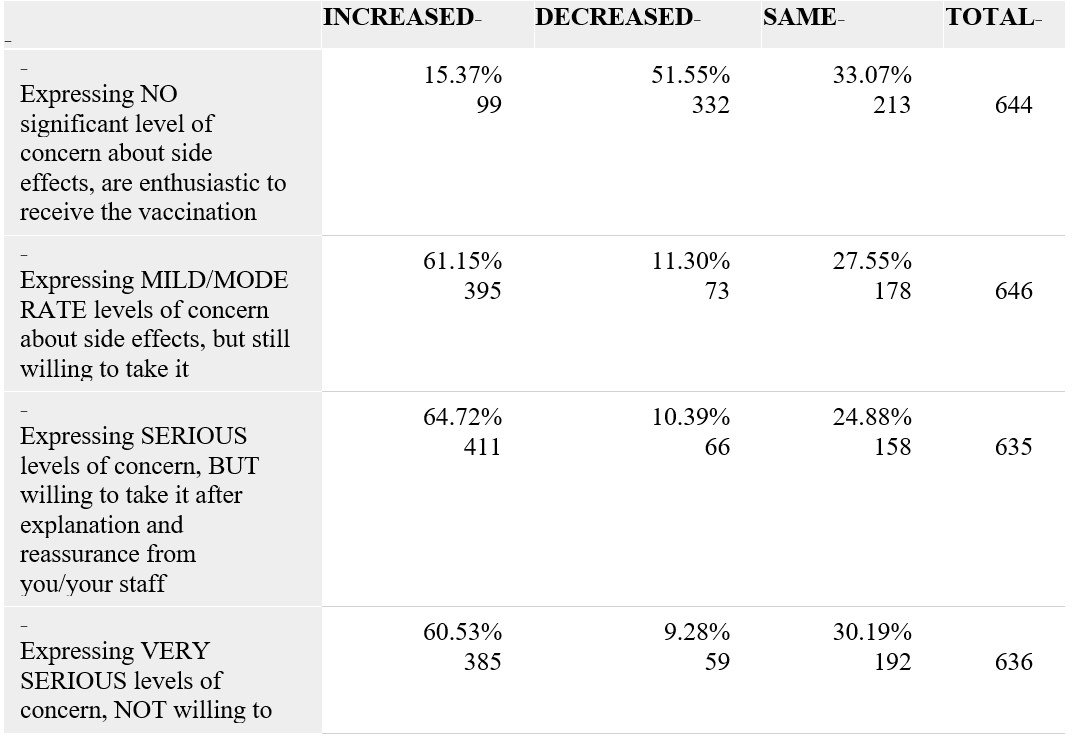
Almost two-thirds of the GPs (64.72%) said they had seen an increase in the number of patients expressing serious concerns with regard the vaccine but would have it anyway. Even more worrying was the 60.53% who had more patients put off the vaccine until a later date because of very serious concerns, and 45.56% who had an increased number of patients refuse the vaccine completely.
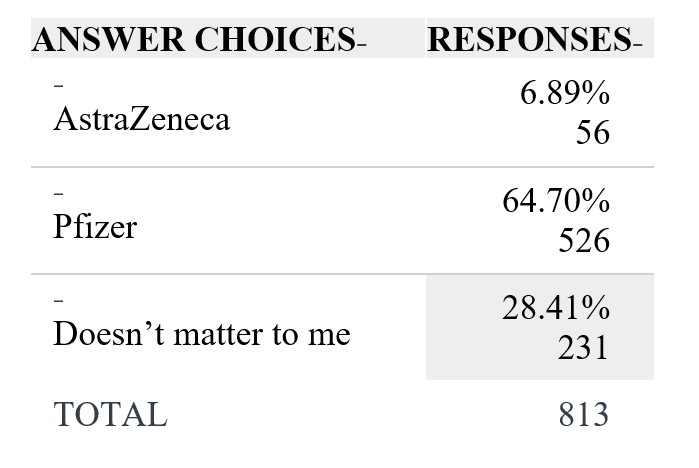
And it would seem that even health professionals have some reservations with 64.7% saying, given the choice they would opt for the Pfizer one. However, a decent percentage (28.41%) said they didn’t mind whichever vaccine they were given while only 6.89% reported a preference for the AstraZeneca formulation.


Browse the latest articles from Healthed.