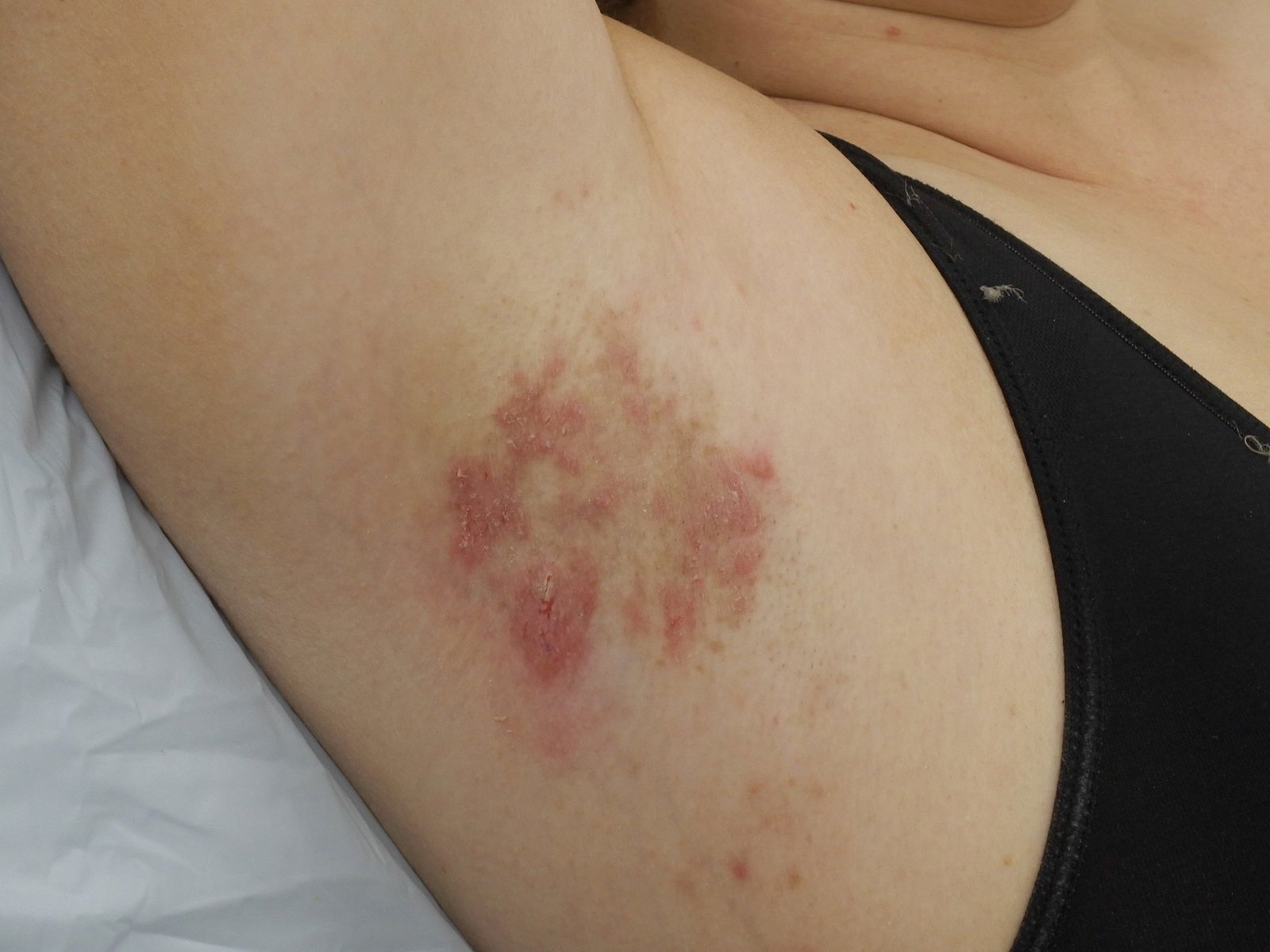
Melanoma in pregnancy

Dr Linda Calabresi

writer

Dr Linda Calabresi

GP; Medical Editor, Healthed

Dr Linda Calabresi

Did you know that melanoma is the most common malignancy in pregnancy? It accounts for one third of pregnancy-associated malignancies in Australia. Terrifying stuff isn’t it?

Fortunately, melanoma occurring in a pregnant woman remains a very rare occurrence. But no one wants to be the doctor that misses it, especially as we all know picking it up early can, quite literally, be the difference between life and death.

The really tricky part is that pregnancy does add an extra dimension to detecting and managing melanoma. For a start melanocytic naevi darken during pregnancy in one in ten women.

Enter this helpful resource.

PASSWORD RESET

Forgot your password or password not working? Please enter your email address. You will receive an email with the link to set a new password.

Icon 2

NEXT LIVE Webcast

:
Days
:
Hours
:
Minutes
Seconds
Dr Jane Elliott AM & Prof Rod Baber AM

Dr Jane Elliott AM & Prof Rod Baber AM

Non-Hormonal Options for Menopausal Symptoms

Prof Rukshen Weerasooriya

Prof Rukshen Weerasooriya

Holter Monitoring in GP – Cases and Practical Tips

Dr Rupert Hinds

Dr Rupert Hinds

Management of Constipation in Children

A/Prof Greg Katsoulotos

A/Prof Greg Katsoulotos

Inhaler Devices – Common User Errors

Join us for the next free webcast for GPs and healthcare professionals

High quality lectures delivered by leading independent experts

Once you confirm you’ve read this article you can complete a Patient Case Review to earn 0.5 hours CPD in the Reviewing Performance (RP) category.

Select ‘Confirm & learn‘ when you have read this article in its entirety and you will be taken to begin your Patient Case Review.

Upcoming Healthed Webcast

Practical Strategies for Behaviour Management in Dementia

Tuesday 7th July, 7pm - 9pm AEST

Speaker

Dr Chrys Pulle

Geriatrician; Principal Investigator, Internal Medicine and Dementia Research Unit, The Prince Charles Hospital

Dr Chrys Pulle provides practical and evidence-based recommendations on how best these behavioural and psychological symptoms can be assessed and managed.