
Dementia – Your questions answered

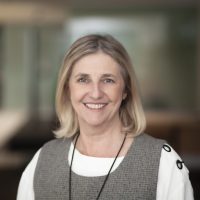
Expert/s: Dr Marita Long
   Rated 5 / 5 stars

Save

CPD for this activity

Educational Activities (EA)

0.5 hours

These are activities that expand general practice knowledge, skills and attitudes, related to your scope of practice.

Reviewing Performance (RP)

0.5 hours

These are activities that require reflection on feedback about your work.

Measuring Outcomes (MO)

0 hours

These are activities that use your work data to ensure quality results.

EA
0.5 hours

Educational Activities (EA)
These are activities that expand general practice knowledge, skills and attitudes, related to your scope of practice.

RP
0.5 hours

Reviewing Performance (RP)
These are activities that require reflection on feedback about your work.

MO
0 hours

Measuring Outcomes (MO)
These are activities that use your work data to ensure quality results.

Listen to the episode

Description

The questions answered in this podcast are listed below.
They were compiled by GPs and health professionals around Australia.


  1. Who do we screen, at what age and how often do you repeat these tests?
  2. Patients with total global amnesia, are they at higher risk
  3. Menopausal women with persistent brain fog – are they at higher risk?
  4. How do we differentiate between normal age memory decline vs dementia?
  5. Women being at higher risk – is it because of their longevity?
  6. What’s the purpose of developing tools and how sensitive are they?
  7. Genetic testing – for whom and the cost?
  8. Whom to refer which patients too?
  9. Is diet a factor? What to do for vegans who don’t eat fish? What is safe drinking?
  10. Is Souvenaid affective?
  11. What does Dementia Australia do? Do they help families and patients with NDIS applications?
  12. What other resources and tools are available, in English and other languages?
  13. Where do you see GPs needing more help in becoming more confident in managing patients with dementia and how can they gain more skill and knowledge to help patients in a timely manner and not clog up the currently strained system with less appropriate referrals


Guest: Dr Marita Long, General Practitioner

Host: Dr David Lim, GP and Medical Educator

Total time: 41 mins

Additional resources:

DTA resources


NDIS


Dementia Australia


CALD resources


Dementia risk reduction


Cognitive Assessment Tools


Courses


Healthed resources

Last Updated: 3 Aug, 2023

Rate this podcast
Help your colleagues find podcasts they'll enjoy by rating this podcast out of five stars.

Icon 2

NEXT LIVE Webcast

:
Days
:
Hours
:
Minutes
Seconds
A/Prof Debbie Rigby

A/Prof Debbie Rigby

Why Inhaler Device Design and Technique Matters

Dr Philip Tong

Dr Philip Tong

Facial Rashes Case Studies – Practical Guide to Assessment and Management

Dr Rupert Hinds

Dr Rupert Hinds

Abdominal Pain in Children – Practical Approach in GP

Prof Roger Chen

Prof Roger Chen

Practical Guide to Improving Control of T2D

Join us for the next free webcast for GPs and healthcare professionals

High quality lectures delivered by leading independent experts

You have completed the Educational Activities (EA) component of this activity.

Select ‘Confirm & claim CPD‘ to confirm you have engaged with this activity in its entirety and claim your CPD.

You will be taken to explore further CPD learning available to you.

Upcoming Healthed Webcast

Tune in for "Facial rashes case studies - Practical guide to assessment and management" lecture

Tuesday 9th June, 7pm - 9pm AEST

Speaker

Dr Philip Tong

Consultant Dermatologist; Founder, DermScreen, Dermatology Junction; Visiting Medical Officer, St Vincent’s Hospital Sydney

What does it mean when a facial red rash does not respond to topical steroids and gets worse with the treatment? Dermatologist Dr Philip Tong presents a series of cases with this scenario.